
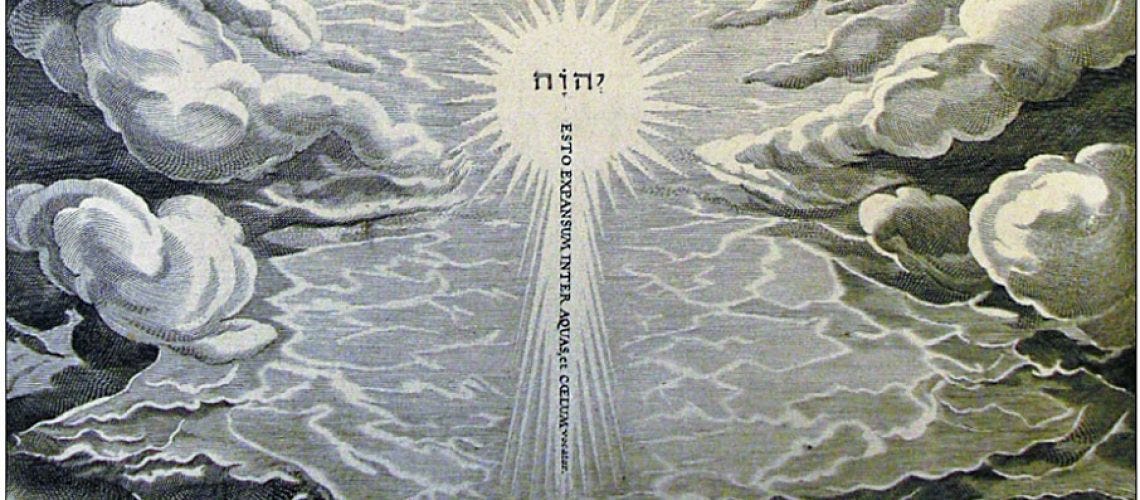
The Void¹ ends as The Messenger² is sent.
Feisty, fiery tongues³ have cut the cords; the slate is clean.⁴
I have no more stories to entertain — I AM⁵ simply entrained⁶ in Being.⁷
Oh, the joys of Creation.
Notes
The Void — In mystical and cosmological traditions, the Void (Śūnyatā in Buddhism, Ayin in Kabbalah, the Tao’s unmanifest source) is not mere emptiness but a pregnant plenum — the infinite potential prior to form. Its ending signals the moment of emanation: Creation beginning.
The Messenger — Hermes / Mercury — the psychopomp, patron of thresholds, language, and transmission between worlds. The sending of The Messenger is the Word going forth: Logos, Dabar, the divine impulse made communicable.
Feisty, Fiery Tongues — Echoes Acts 2:3 — divided tongues as of fire descending at Pentecost. Fire as divine speech: the tongue that simultaneously destroys (cuts cords) and illuminates. The cutting of cords evokes the Greek Fates (Moirai) severing the thread, or Archangel Michael’s sword of discernment.
The Slate Is Clean — Tabula rasa as spiritual metaphor: the wiped record. Resonates with the Kabbalistic concept of teshuvah (return/repentance), the moment the soul is restored to its original purity.
I AM — Ehyeh Asher Ehyeh — “I AM That I AM” — the divine name revealed to Moses at the burning bush (Exodus 3:14). Not a personal pronoun but the name of pure self-existent Being, prior to all predicates.
Entrained — Entrainment (physics/biology): the synchronisation of one oscillating system to the rhythm of a larger one. The personal self falls into resonance with the ground of Being. The wordplay with entertain in the preceding line is precise: stories entertain; Being entrains.
Being — Capital-B Being distinguishes the ground of existence (Heidegger’s Sein, Eckhart’s Isness, Sat in Sanskrit) from any particular being. To be entrained in Being is to be found at the deepest register — individual consciousness resting in its source without dissolution.
"That in which this entire world rests, and from which it has come forth — nothing can veil its nature; it has no obstruction anywhere." — Spanda Kārikā 1.3